
Therapy for First Responders
You spend your career showing up for everyone else.
Therapy can be the place where someone finally shows up for you.
Firefighters. EMS. Law Enforcement. Dispatchers. Corrections. Nurses. Military.
Whether you're struggling after one call or carrying years of cumulative stress, you don't have to keep doing it alone.
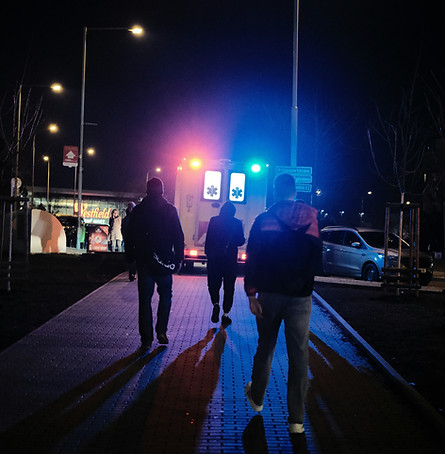
Common Reasons First Responders Reach Out
You don't have to be in crisis.
Many first responders come because they're noticing:
-
Hypervigilance that won't shut off
-
Trouble sleeping
-
Irritability
-
Emotional numbness
-
Feeling disconnected from family
-
Relationship strain
-
Anger that feels unfamiliar
-
Intrusive memories
-
Anxiety before shifts
-
Burnout
-
Compassion fatigue
-
Feeling like nobody else understands
Therapy That Fits First Responder Culture
You don't need to explain the basics.
I understand that many first responders:
-
Use humor to cope
-
Are taught to push through
-
Don't want to burden family
-
Value practical solutions
-
Worry therapy means they're weak
Therapy doesn't have to look like sitting in a room talking about feelings for an hour.
We work at your pace using evidence-based trauma treatments designed to help your nervous system recover without forcing you to relive every detail.
How I Can Help
-
Stress management
-
Nervous system regulation
-
Sleep difficulties
-
Trauma recovery
-
Burnout
-
Relationship support
-
Performance enhancement
What Therapy Might Look Like
Therapy isn't about sitting on a couch while someone asks, "How does that make you feel?" every five minutes. Sessions are collaborative, practical, and tailored to your goals. Some days we'll process difficult experiences. Other days we'll focus on building coping skills, improving sleep, strengthening relationships, or understanding how the job has affected you over time.